

Contact us
Send Us Your Case Details
We’ll respond and let you know the best way to proceed with your case.


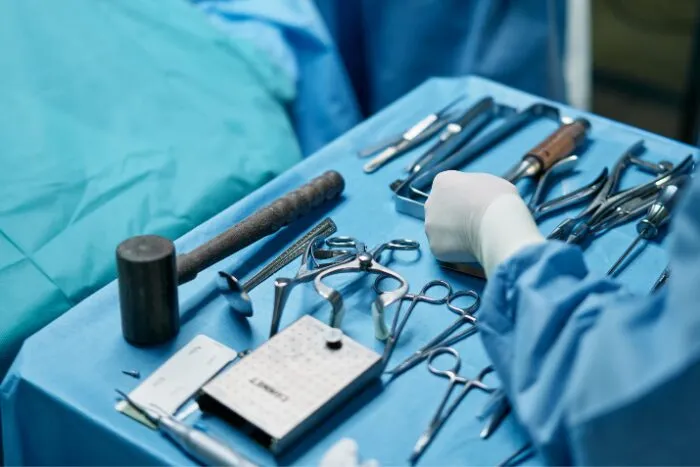
Though it’s not common, many people experience a severe condition called sepsis after surgery, which can be life-threatening. Sepsis can lead to organ failure and, in extreme cases, can be fatal. Knowing the causes is essential for preventing it.
Every medical malpractice lawyer at Conner, Marr & Pinski in Montana has years of experience with medical negligence cases. This experience can help you feel more confident in your legal support.
We are here to help you understand if you have a valid claim, explore your legal options, and guide you in getting the compensation you deserve for your injuries and suffering.
If you suspect that you or a loved one has been harmed due to the negligence of a medical professional, it’s essential to understand your rights and explore your options, so you feel empowered to take action
Don’t wait to seek clarity and support—reach out today, and let us help you feel supported and confident as you take your next steps.
Sepsis is the body’s reaction to an infection, not the infection itself. While bacterial infections are the most common cause, viral infections can also trigger sepsis. Sometimes, it may arise due to medical errors during or after surgery.
Sepsis after surgery can be traced back to a medical mistake or a potential surgical error. Infections, even small ones, can develop into sepsis. Some common causes of post-op sepsis that may indicate medical negligence include contaminated surgical tools, medical devices that fail to work properly, and infections from improperly sanitized equipment to name a few.
Doctors and surgeons are expected to provide a high level of care, and if they fail to catch or treat an infection properly, it can lead to sepsis, putting the patient’s life at risk.
If you or a loved one develops sepsis because of negligent medical care, it may be grounds for a malpractice lawsuit. This could be the result of failing to diagnose or treat an infection, not running necessary tests,misdiagnosis, or other negligence.
Doctors diagnose sepsis by performing tests to check if the infection has reached the bloodstream or damaged organs. Signs to look out for include:
If you notice any of these symptoms after surgery, seek medical attention immediately. Left untreated, an infection can lead to severe sepsis or septic shock.
Antibiotics are often prescribed, and additional procedures might be necessary to ensure proper blood flow or to remove infected tissue. The faster the diagnosis, the better the chances of recovery. Fast treatment is essential for recovery.
Residents in nursing homes are more prone to developing sepsis, often due to poor care. Those with catheters, IVs, or who are bedridden are particularly at risk, especially if bedsores are allowed to worsen. Bedsores create an opening for bacteria to enter the body, increasing the risk of sepsis.
If you or a loved one has suffered from sepsis, it may be a sign of medical malpractice, and you may be entitled to compensation.
Reach out to the experienced Montana Medical Malpractice attorneys at Conner, Marr & Pinski to discuss your potential case.
Call (406) 727-3550 for a free and confidential case review. You will not incur any fees unless we win your case.
Don’t hesitate to reach out to an experienced medical malpractice attorney from our legal team. We are here to provide you with the guidance you need.