After a serious Montana workplace injury, the first priorities are getting out of danger and getting medical care. Once you’re safe, report the injury to your employer, preserve evidence of the unsafe condition, and start asking a key question: did someone other than your employer contribute to what happened? Workers’ compensation usually covers job injuries, but when a contractor, equipment manufacturer, property owner, or outside driver causes the harm, Montana law may allow a separate injury claim against that party.
Conner, Marr & Pinski represents Montana workers and families after serious injuries caused by unsafe conditions on job sites, in refineries, oil fields, mines, and other dangerous workplaces. We focus on identifying the outside parties whose conduct contributed to an injury. Contact Conner, Marr & Pinski at (406) 727-3550 for a free consultation.
Put Safety and Medical Care Ahead of the Claim
If you’re hurt, call 911 or get emergency help immediately, and move away from any active hazard such as moving equipment, live electrical lines, or unstable structures, if you can do so safely.
When you see a doctor, tell them the injury happened at work and describe exactly how. That detail becomes part of your medical record and connects your treatment to the incident.
Follow up with all recommended care, keep copies of your records, and write down any work restrictions your providers give you. Gaps in treatment or unrecorded restrictions can make it harder to prove the full extent of your injury later.
Report the Injury and Create a Clear Record of What Happened
Memories fade quickly, so the details you record in the first days are often the most reliable evidence available:
- Report the injury promptly: Tell your employer as soon as possible and ask that an incident report be completed.
- Keep your own copy: Request a copy of the report rather than relying on the employer’s file.
- Collect witness information: Write down names and contact details for coworkers and anyone else who saw the accident.
- Take photographs: Capture the scene, your injuries, and any equipment involved, including serial numbers, model numbers, and company names.
- Note the work details: Record your shift, your assigned task, and who directed the work.
Document the Unsafe Condition Before It Changes
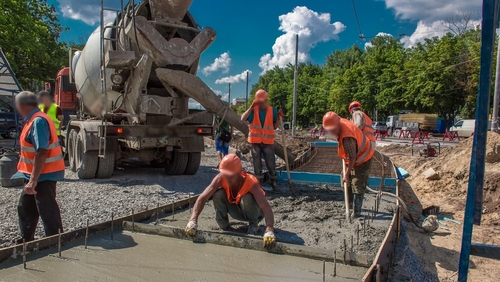
Job sites change fast after an accident, so if you or a coworker can do so safely, photograph or video the hazard before it’s repaired or cleaned up. Conditions worth documenting include:
- Missing safeguards: Absent machine guards, failed fall protection, or missing warning signs.
- Defective tools and equipment: Broken, worn, or malfunctioning items involved in the injury.
- Electrical hazards: Exposed or improperly de-energized lines.
- Site conditions: Slippery surfaces, spills, or unsafe traffic control around heavy equipment.
Preserve Evidence Showing Who Controlled the Hazard
On many Montana job sites, several companies share responsibility for safety, and evidence of who controlled the hazard often determines whether a third-party claim exists. Useful records include:
- Contracts and work orders: Agreements and assignments showing each company’s role.
- Equipment records: Ownership, lease, maintenance, and inspection logs.
- Safety documentation: Safety meeting notes and site plans.
- Communications: Emails and texts about the work or the hazard.
You may not have access to all of these yourself, but noting which companies were on site and who supervised the area can help an attorney request them later.
Workers’ Compensation and a Third-Party Injury Claim Are Different
Under Montana Code § 39-71-411, workers’ compensation is generally the exclusive remedy against a covered employer. In most cases, that means you can’t sue your own employer or coworkers for a workplace injury, and workers’ compensation benefits are your remedy against them. Montana does recognize narrow exceptions, including for uninsured employers and for injuries intentionally and deliberately caused by an employer or coworker, which require clear and convincing evidence.
Montana Code § 39-71-412 preserves a separate right when someone other than your employer or its employees causes the injury. In that situation, you can still receive workers’ compensation benefits and also pursue a claim for damages against the outside party. Unlike workers’ compensation, a third-party claim can include damages such as pain and suffering and full lost earnings, which workers’ compensation doesn’t fully cover.
Third Parties May Include Contractors, Property Owners, Drivers or Manufacturers
Whether a third party is responsible always depends on the facts, but common examples include a general contractor that controlled site safety, a subcontractor whose crew created a hazard, a manufacturer of defective equipment or tools, a maintenance vendor that improperly serviced machinery, a property owner that failed to address a known dangerous condition, or an outside driver who struck a worker in a work zone.
Our Montana construction accident lawyers regularly investigate these relationships on multi-employer sites, and workers hurt by contact with power lines may have electrocution injury claims against utilities or contractors. Workers injured while performing third-party utility work face similar questions about who controlled the hazard.
OSHA Evidence Can Help Explain the Hazard, but an OSHA Case Is Not Your Lawsuit
Federal law gives workers the right to a safe workplace.
According to OSHA, workers can request an inspection and speak with the inspector, report an injury, get copies of their medical records, and review records of workplace injuries and illnesses. Employers must notify OSHA within 8 hours of a work-related fatality and within 24 hours of an inpatient hospitalization, amputation, or loss of an eye. Workers who face retaliation for raising safety concerns can file a whistleblower complaint within 30 days.
OSHA inspections, citations, and records can help explain what went wrong and which company was responsible for the hazard. However, OSHA enforcement is a regulatory process that can lead to fines against employers, not compensation for injured workers. A citation doesn’t automatically prove a third party was negligent, and the absence of a citation doesn’t mean no one was at fault. Civil liability still has to be proven through evidence of duty, breach, causation, and damages.
Coordinate Benefits, Liens and Any Third-Party Recovery
Workers’ compensation benefits and a third-party recovery aren’t independent pots of money. Under Montana Code § 39-71-414, the workers’ compensation insurer generally has a right of subrogation, which is a first lien on any third-party recovery for benefits paid or to be paid. An injured worker who plans to file a third-party action must give the insurer reasonable notice. The worker can ask the insurer to share in the costs of the case, including attorney fees, and if the insurer declines, it waives 50% of its subrogation rights.
The statute also protects injured workers in some situations. The insurer is entitled to full subrogation unless the worker can show damages exceeding the combined workers’ compensation benefits and third-party recovery. When a worker brings the action, they’re entitled to at least one-third of the recovery, less a share of costs, if the recovery would otherwise be too small after subrogation. If the worker doesn’t file within one year of the injury, the insurer may bring the action itself. Because these rules directly affect the net recovery, they should be addressed early.
Watch Deadlines Without Assuming One Filing Date Fits Every Case
Different claims arising from the same workplace injury can have different deadlines. Workers’ compensation has its own requirements for notifying the employer and filing a claim. Third-party negligence and product liability claims follow separate time limits, and claims involving government entities can involve additional notice requirements.
The one-year point after an injury also matters for subrogation purposes. Because these deadlines vary with the facts, it’s important to have them reviewed promptly rather than assuming one date applies to everything.
Let Conner, Marr & Pinski Investigate the Unsafe Worksite
Since 1974, Conner, Marr & Pinski has represented injured Montanans, including workers hurt in refineries, oil fields, mines, construction sites, and other dangerous workplaces. We treat every client like family while taking on large corporations and their insurers. In third-party workplace cases, we move quickly to preserve evidence, identify every company that controlled the hazard, and coordinate the claim with workers’ compensation benefits so you understand how a recovery will actually work.
Whether a third-party claim is viable depends on the facts, and we’ll give you an honest assessment. If a loved one was killed on the job, our Montana wrongful death lawyers can help your family understand its options, and you can learn more about our broader Montana personal injury representation.
Contact Conner, Marr & Pinski at (406) 727-3550 to discuss your workplace injury.
Montana Workplace Injury Frequently Asked Questions
Can I sue my employer after a workplace injury in Montana?
Usually not. Montana’s Workers’ Compensation Act generally makes workers’ compensation the exclusive remedy against a covered employer and its employees. Narrow exceptions exist, such as for uninsured employers and intentional, deliberate injuries, and these should be reviewed by an attorney.
Can I bring a claim against a contractor or equipment manufacturer?
Possibly. Montana law allows an injured worker to receive workers’ compensation and also pursue a separate damages claim against a third party, other than the employer or a fellow employee, whose conduct caused the injury. Whether a contractor, manufacturer, or other party is responsible depends on the facts.
What evidence should I save after an unsafe-workplace accident?
Save as much as you can, including:
- Photographs and video: The scene, the hazard, the equipment, and your injuries.
- Witness information: Names and contact details for coworkers and others who saw the accident.
- Incident reports: A copy of any report you filed or your employer prepared.
- Equipment identifiers: Make, model, serial numbers, and the company that owned or serviced the equipment.
- Medical records: Treatment notes, bills, and any work restrictions.
- Communications: Emails, texts, and messages about the work, the hazard, or the injury.
Does an OSHA violation automatically prove my injury case?
No. OSHA evidence can be important in showing that a hazard existed and who was responsible for it, but civil fault and causation still must be proven with evidence in your injury claim.