

Contact us
Send Us Your Case Details
We’ll respond and let you know the best way to proceed with your case.


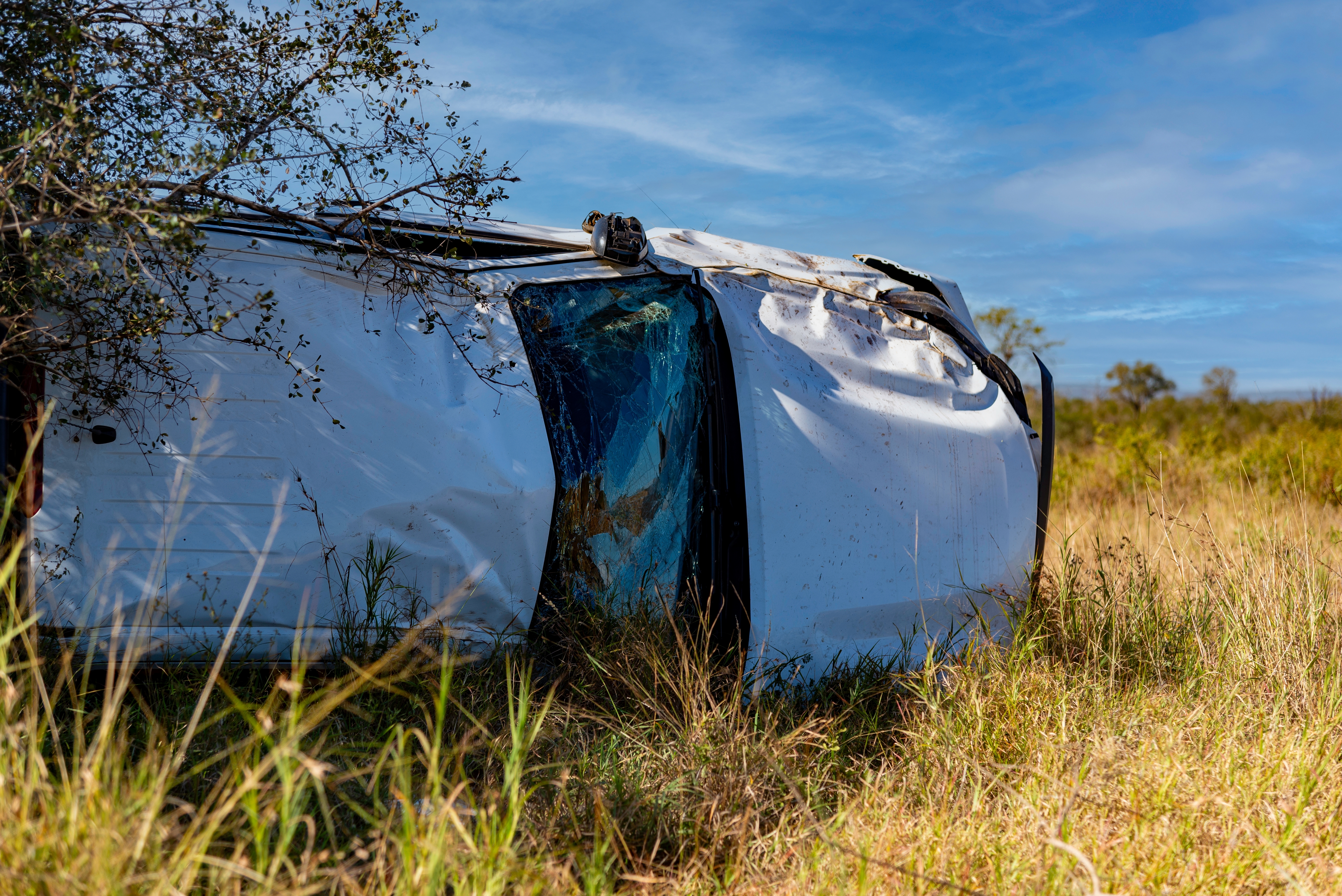
Montana is a state defined by its wide-open spaces where residents and tourists alike enjoy year round. Miles of highway stretch between small towns, mountain passes cut through rugged terrain, and on many roads you can drive for long stretches without seeing another vehicle. That solitude is part of what makes Montana beautiful, but it also makes its rural roads some of the most dangerous in the country.
At Conner, Marr & Pinski, we work with Montana families who are trying to make sense of what happened after a devastating crash. We know that when you’re grieving, the last thing you want to think about is legal paperwork. We also know that understanding your rights early can protect your family’s future. If you’ve lost someone in a rural accident and you’re wondering whether someone was at fault, we’re here to listen and help you find answers. To learn more, give us a call at (406) 727-3550.
It might seem counterintuitive that roads with less traffic would be more deadly than busy city streets, but the data consistently tells that story. Rural roads across the country account for a disproportionate share of traffic fatalities, and Montana is no exception.
Three factors combine to make rural crashes in Montana particularly lethal.
First, the sheer distance between towns means that when a serious crash occurs, emergency responders may be many miles away. In some parts of the state, it can take 30 minutes or longer for an ambulance to reach the scene. When someone has suffered traumatic injuries, that window of time is often the difference between life and death.
Second, highway speeds are higher on rural roads. Montana has some of the highest posted speed limits in the country, and on open stretches of highway, vehicles are traveling fast enough that even minor errors can lead to catastrophic outcomes.
Third, there are fewer witnesses and less infrastructure on rural roads. There are no traffic cameras, no nearby businesses with security footage, and often no bystanders to call for help or document what happened. All of this compounds the danger and can also make investigating the cause of a crash more difficult afterward.
While every crash is different, rural road accident risks in Montana tend to cluster around a consistent set of contributing factors:
Each of these deserves a closer look, because understanding the cause of a crash is often the first step toward understanding whether someone could be held accountable.
Speed is one of the leading contributors to why crashes happen in rural areas, and Montana’s highway system creates conditions where speeding is both common and extremely dangerous.
When drivers travel through long, empty stretches of highway without encountering other vehicles, stop signs, or traffic signals, it’s easy to let speed creep up without realizing it. The psychological effect of open roads can make drivers feel more in control than they actually are.
At the same time, law enforcement coverage in rural Montana is spread thin. A single county may have only a handful of officers covering hundreds of square miles. That reduced presence on the roads means there’s less deterrence for speeding and reckless driving.
At high speeds, the ability to react to sudden hazards like a deer crossing, a curve in the road, or a vehicle stopped ahead is drastically reduced. A crash that might have been survivable at 55 miles per hour becomes fatal at 80. Speeding on rural highways in Montana is not just a traffic violation. It is a decision that puts everyone on the road at serious risk.
Drunk driving contributes to rural crashes in Montana at rates that remain stubbornly high despite years of public awareness campaigns and enforcement efforts.
In urban areas, someone who has been drinking has options: a rideshare app, a taxi, public transit, or a short walk home. In rural Montana, those alternatives often don’t exist. A person leaving a bar in a small town at midnight may genuinely believe they have no choice but to drive. That doesn’t make it any less dangerous, but it does help explain why impaired driving continues to be a persistent problem in rural communities.
Drug impairment, including both illegal substances and prescription medications that affect alertness, also plays a role in rural crashes. Fatigue combined with impairment is an especially dangerous combination on long highway drives where the road demands sustained attention.
Families who have lost someone to a drunk or impaired driver may have grounds for a wrongful death claim. An attorney can help you understand whether that path is available to you.
Distracted driving is often thought of as an urban problem, something that happens in stop-and-go traffic where people reach for their phones out of boredom. But distracted driving rural Montana is a serious and underappreciated danger.
When a road is empty and straight for miles, drivers can fall into a false sense of security. They glance at a text message, adjust the radio, reach for something in the back seat, or simply let their attention drift. On a busy city street, the constant presence of other vehicles forces a driver to stay engaged. On an empty rural highway, the consequences of inattention can arrive without warning in the form of a curve, a patch of ice, or an animal in the road.
The reality is that distraction at highway speeds is extraordinarily dangerous. At 75 miles per hour, a vehicle travels the length of a football field in about two and a half seconds. A momentary lapse in attention can be enough to cause a crash that no one walks away from.
Montana’s climate creates road hazards that drivers in other states simply don’t encounter with the same frequency or severity.
Weather-related crashes in Montana are a year-round concern, not just a winter one. Sudden snowstorms can descend quickly in the mountains. Black ice can form without any visible warning on a road that looks perfectly clear. Spring runoff can undermine road surfaces or cause unexpected flooding. Summer thunderstorms can reduce visibility to near zero in a matter of minutes.
Rural roads are often the last to be plowed, salted, or treated after a storm. A highway that appears passable may have stretches of black ice that a driver encounters without any warning. And because these roads are remote, there may be no other vehicles around to flag a hazard or call for help when something goes wrong.
Drivers have a responsibility to adjust their behavior for weather conditions. When they fail to do so and cause a crash, that failure can be the basis for legal liability.
This factor deserves its own discussion because it is one of the most painful realities of rural road accident risks in Montana. The crash itself may be survivable, but the time it takes for help to arrive can determine whether someone lives or dies.
Rural trauma care infrastructure in Montana is limited. Many rural hospitals are not equipped to handle severe traumatic injuries, meaning patients must be airlifted to larger facilities in Billings, Great Falls, or Missoula. That transport adds time, and in the most serious cases, there simply isn’t enough of it.
This reality doesn’t reduce anyone’s legal responsibility for causing a crash, but it does underscore why preventing these accidents matters so much. And for families who’ve lost someone, it can be an agonizing part of the tragedy to sit with.
When a loved one dies in a car accident on a rural Montana road, one of the hardest questions to face is whether someone could have prevented it. The answer is often yes, and the law provides a way to hold responsible parties accountable.
Liability in a fatal rural crash can come from several directions:
These cases can be complex, particularly when multiple parties share some degree of fault. An experienced attorney can investigate the crash, obtain records, work with accident reconstruction experts, and identify everyone who may bear responsibility.
Catastrophic injury and wrongful death cases in rural areas often require more investigative work than urban crashes simply because evidence is harder to gather and witnesses are harder to find. Acting sooner rather than later matters.
If you’ve lost a family member in a fatal crash on a rural Montana road, a wrongful death claim may allow your family to seek compensation for:
Montana law places time limits on how long you have to file a claim, so even if you’re not ready to move forward right now, speaking with an attorney early can help you preserve your options. A consultation doesn’t commit you to anything. It simply gives you information at a time when you need it most.
If you’re considering reaching out, learn more about your options on our personal injury page.
Losing someone in a rural accident is an experience that reshapes everything. You may be dealing with grief, financial pressure, and unanswered questions all at the same time. You shouldn’t have to figure out the legal side of things alone.
A consultation with our team is not a sales pitch. It’s a conversation. We’ll listen to what happened, ask some questions, and give you an honest assessment of whether you may have a legal claim and what pursuing one might look like. There’s no pressure and no obligation.
Conner, Marr & Pinski has experience representing Montana families in wrongful death and serious injury cases, including those involving rural highway crashes. We understand the unique challenges these cases present, from the remoteness of accident scenes to the complexity of identifying all liable parties. We’re here to help you understand what your family may be entitled to and to stand with you if you decide to move forward.When you’re ready to talk, contact us at (406) 727-3550 to get started.