

Contact us
Send Us Your Case Details
We’ll respond and let you know the best way to proceed with your case.


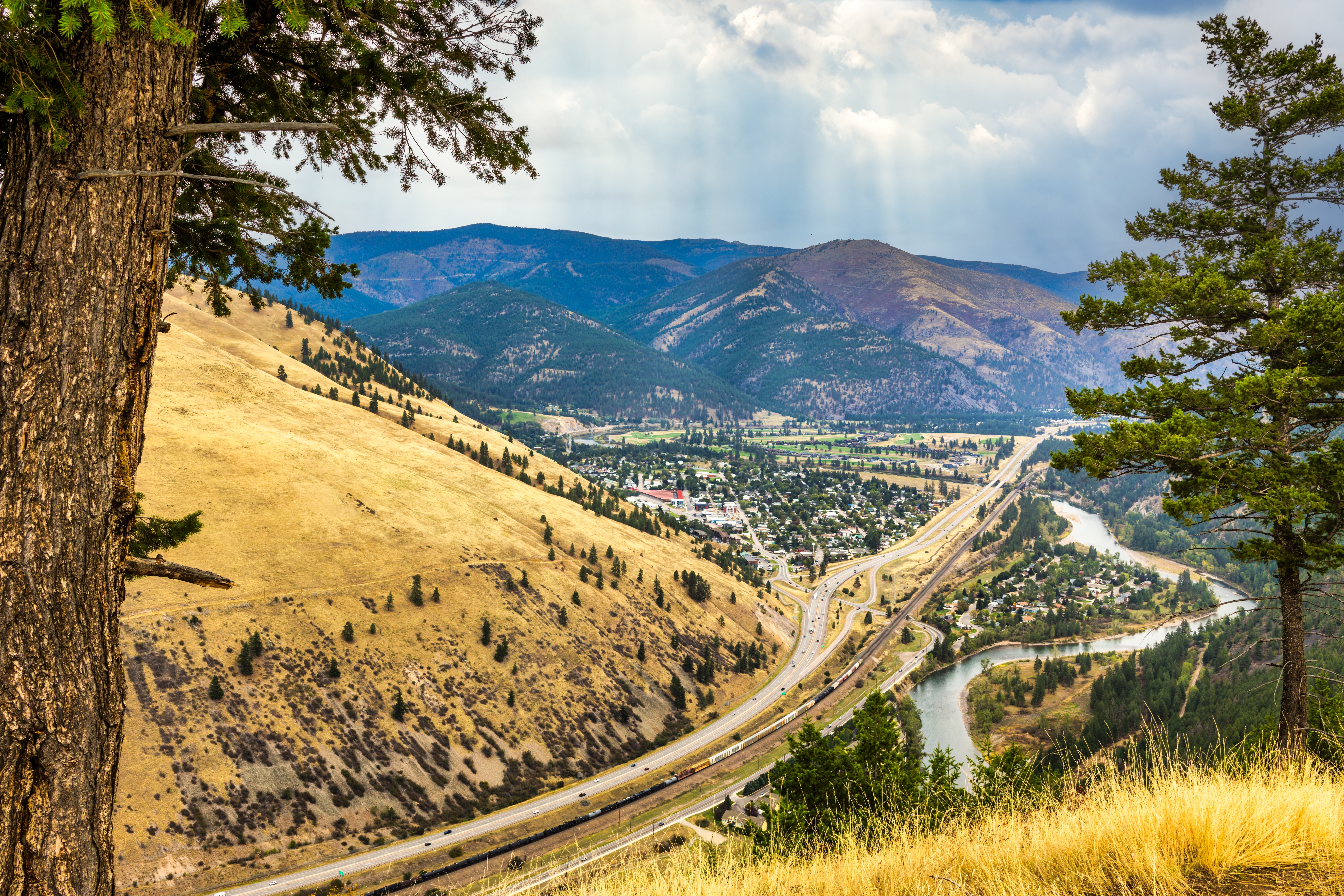
If you drive regularly in Great Falls, you have probably noticed that certain intersections and stretches of road feel more dangerous than others. That instinct is backed by data. Crash records from the Montana Highway Patrol and the Montana Department of Transportation show clear patterns in where collisions concentrate in Great Falls and Cascade County, and those patterns have real consequences for drivers, motorcyclists, and truck operators who use these roads every day.
Conner, Marr & Pinski represents injury victims throughout Great Falls and Montana in car accident, truck accident, and motorcycle accident cases. Call (406) 727-3550 for a free case review.
Cascade County consistently ranks among Montana’s higher-crash counties relative to its population. Statewide, Montana recorded a fatality rate of approximately 1.47 deaths per 100 million VMT, ranking seventh highest in the country.
Great Falls sees a disproportionate share of Cascade County’s crashes concentrated in predictable locations, with data from 2023 forward showing a troubling increase in serious injury and fatality crashes alongside overall collision numbers.
The 10th Avenue South corridor generates more crashes than any other part of the city. Intersections at major cross streets including 9th Street, Smelter Avenue, and Fox Farm Road appear consistently in collision records. The combination of driveways, turning movements, pedestrian crossings, and through traffic at high speeds creates conditions where crashes are a predictable consequence of the road’s design and use. Other documented crash locations include the Central Avenue West corridor downtown and the US-87 approaches where the highway transitions from rural to urban conditions.
10th Avenue South accounts for a significant share of the city’s total collision reports. Interstate 15 sees crash concentrations near interchange areas where merging traffic interacts with commercial truck movements. US-87 connecting Great Falls to surrounding communities presents higher speeds, longer emergency response times, and the fatigue and visibility factors associated with rural highway driving. These corridors represent the geography where Great Falls car accident cases most frequently originate.
Montana motorcyclists represent a small fraction of registered vehicles but account for nearly one in five traffic fatalities statewide. In Great Falls, motorcycle crashes concentrate on 10th Avenue South and the US-87 approaches. Intersection crashes involving left-turning vehicles failing to yield to oncoming motorcycles are among the most common and most severe collision types. The transition between urban intersections and higher-speed rural routes surrounding Great Falls is particularly dangerous for riders. Motorcycle accident claims in this region often involve disputed liability, making experienced legal representation especially important.
Cascade County’s fatality numbers since 2023 reflect the statewide pattern of crashes becoming more severe. Montana’s seventh-highest fatality rate nationally results from high speeds on rural roads, a population that travels long distances regularly, and harsh winter conditions affecting roads for much of the year. Serious injury crashes are far more common than fatal crashes and represent the majority of cases where injured victims need legal representation.
Several factors combine to make Great Falls roads more dangerous than population density alone would suggest:
On 10th Avenue South, increased following distance and anticipation of turning movements reduces rear-end and side-impact risk. On I-15 and US-87, awareness of large truck blind spots near interchanges is important. During winter months, adjusting speed well below posted limits and increasing stopping distance assumptions significantly reduces crash risk. For motorcyclists, treating every major intersection as a potential left-turn conflict zone is a habit that saves lives. For information on disputed fault situations, see our guide on what to do when insurance blames you.
After a serious crash, the steps you take in the first 48 hours matter significantly for both your health and your legal options:
For pedestrian crashes and rear-end collisions, prompt evidence preservation is particularly important as conditions at the scene can change quickly.
Conner, Marr & Pinski has been representing injured Montanans since 1974, operating out of the historic A.B. Guthrie Home in Great Falls and treating every client like an extension of our family. We have recovered millions of dollars for clients in car accident, truck accident, motorcycle accident, personal injury, and wrongful death cases, and we have appeared before the United States Supreme Court and dozens of courts across the country. Companies know we have the experience, expertise, and resources to take cases to trial and achieve results.
We know the roads documented in this post not just as data points but as the places where our clients’ lives changed. Our goal has always been to give a voice to those who may not otherwise be heard, and that starts the moment you walk through our door.
Contact us at (406) 727-3550 to schedule your free case review today.
The 10th Avenue South corridor generates the highest crash volume, with intersections at 9th Street, Smelter Avenue, and Fox Farm Road among the most frequently cited locations.
Motorcycle crashes concentrate on 10th Avenue South and the US-87 approaches, with left-turn failure-to-yield crashes at intersections among the most common and severe types.
Commercial truck involvement is elevated along the I-15 corridor given Great Falls’ role as a regional transportation hub. Exact percentages vary by year and corridor.
Since 2023, serious injury and fatality crash rates have trended upward consistent with the broader Montana pattern, making severity the more concerning data point.
10th Avenue South produces the highest crash volume within the city. US-87 produces crashes with higher average severity due to speed and rural conditions.