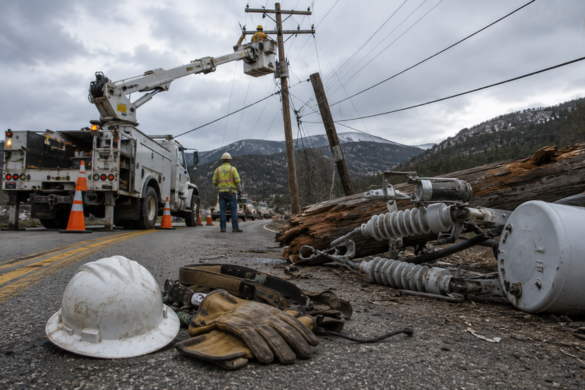
Working around electricity is inherently dangerous, but many serious electrical accidents happen because safety procedures were ignored, equipment failed, or another company created an unsafe work environment. Linemen, utility workers, electricians, contractors, and other skilled tradespeople face the risk of high-voltage injuries every day, and a single mistake can result in life-changing consequences.
Many injured workers assume workers’ compensation is their only option after an accident. While workers’ compensation benefits may be available, they are not always the only legal remedy. If another contractor, utility company, equipment manufacturer, property owner, or third party contributed to the accident, you may also have the right to pursue a personal injury claim.
At Conner, Marr & Pinski, our Montana lineman injury lawyers represent workers who have suffered serious electrical injuries throughout the state. We investigate whether negligence outside of your employer contributed to the accident and whether a third-party claim may provide compensation beyond workers’ compensation benefits.
Not Every Electrical Injury Is Limited to Workers’ Compensation
Many workplace electrical injuries involve more than one company. Construction projects, utility upgrades, transmission line work, refinery maintenance, and industrial shutdowns often bring together multiple contractors working on the same job site. When one company creates a dangerous condition that injures another company’s employee, a third-party workplace injury claim may exist.
Unlike workers’ compensation, a third-party claim focuses on holding the negligent company accountable for creating or failing to correct an unsafe condition. Determining who controlled the work area, maintained the equipment, or failed to follow safety procedures often becomes one of the most important parts of investigating an electrical accident.
How Electrical Injuries Happen
Electrical accidents take many forms, and each requires a careful investigation to determine why the incident occurred.
Some workers suffer an electric shock injury after contacting energized equipment that should have been de-energized. Others experience an arc flash injury caused by an electrical fault that releases tremendous heat and pressure in a fraction of a second. Utility workers and linemen may also be injured during a power line accident involving damaged equipment, unsafe work practices, inadequate grounding, or failures to properly identify energized lines.
Construction electrocution cases may involve overhead power lines, underground utilities, cranes, scaffolding, or equipment operating too close to energized conductors. In other situations, investigators examine whether an OSHA electrical accident resulted from violations of established workplace safety standards or failures to follow lockout and tagout procedures.
Common Injuries Caused by Electrical Accidents
Electrical injuries often extend far beyond the visible burn.
High-voltage current can travel through the body, damaging nerves, muscles, blood vessels, and internal organs before exiting through another part of the body. Workers may also suffer secondary injuries after being thrown from ladders, utility poles, bucket trucks, or elevated work platforms following an electrical shock.
These accidents frequently result in electrical burn injuries, traumatic brain injuries, spinal injuries, nerve damage, fractures, cardiac complications, amputations, and permanent disabilities. Recovery may require multiple surgeries, rehabilitation, and ongoing medical treatment long after the initial accident.
When Can Someone Other Than Your Employer Be Responsible?
Not every workplace electrocution or electrical injury is caused by an employer’s negligence alone.
Utility companies, general contractors, subcontractors, engineering firms, equipment manufacturers, pole manufacturers, rental equipment companies, and maintenance contractors may all have responsibilities for maintaining safe working conditions. When one of those companies fails to meet those responsibilities and a worker is injured, a third-party personal injury claim may be available.
For example, defective insulated equipment, improperly maintained bucket trucks, unsafe temporary power systems, damaged electrical components, or failures to properly coordinate work between contractors can all contribute to serious accidents. Understanding who created the hazard often requires reviewing contracts, safety procedures, inspection records, equipment maintenance, and the sequence of events leading to the injury.
What Compensation May Be Available?
A third-party personal injury claim may allow an injured worker to recover damages that are not typically available through workers’ compensation alone.
Depending on the circumstances, compensation may include medical expenses, future medical treatment, lost wages, reduced earning capacity, physical pain, emotional suffering, permanent disability, disfigurement, and other losses resulting from the accident.
Many electrical injuries continue affecting workers long after they leave the hospital. Ongoing neurological problems, chronic pain, reduced mobility, and permanent work restrictions can all become important considerations when evaluating the value of a claim.
Helping Linemen and Electrical Workers Throughout Montana
Conner, Marr & Pinski represents linemen, utility workers, electricians, contractors, and other skilled tradespeople injured throughout Montana. Whether the accident involved an arc flash, a workplace electrocution, a high voltage injury, or another serious workplace electrical injury, our team investigates whether another company’s negligence contributed to what happened.
Workers looking for an electrocution lawyer, electrical shock injury lawyer, utility accident lawyer, or arc flash lawyer are often dealing with catastrophic injuries that require extensive medical treatment and months away from work. Our team takes the time to understand how the accident occurred and whether a third-party negligence claim may provide additional compensation beyond workers’ compensation benefits.
Speak With Our Montana Lineman Injury Team
If you were injured while working around electrical systems, power lines, or high-voltage equipment, contact Conner, Marr & Pinski for a free consultation. We’ll review what happened, answer your questions, and explain whether a third-party personal injury claim may be available in addition to workers’ compensation.
Feel free to reach out and speak with our experienced team of professionals who are here to provide you with guidance.